The Last Burning Cigar: Inside Cuba’s Deepening Fuel Crisis
A Nation in Darkness: The Current Fuel Emergency
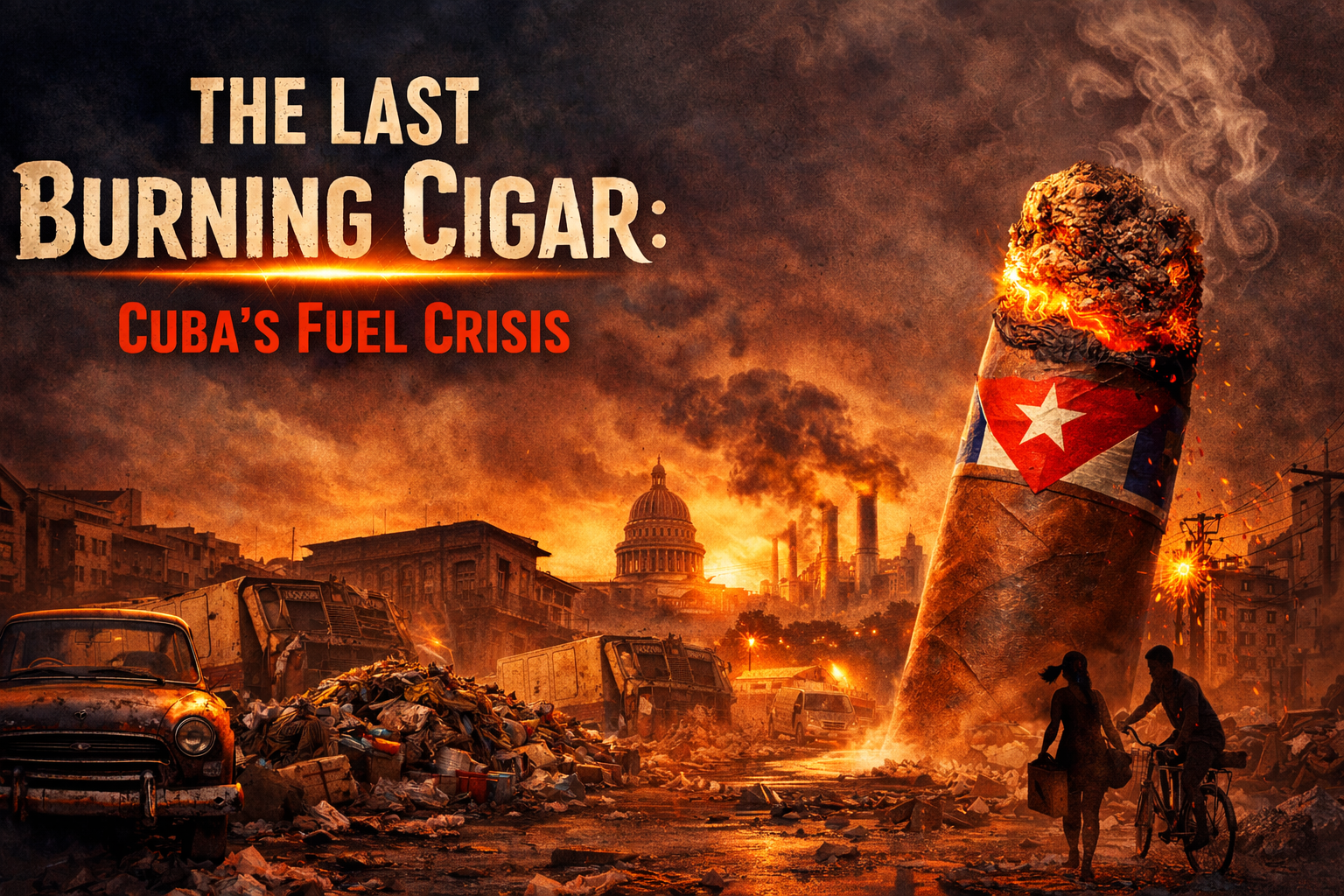
As of February 17, 2026, Cuba is facing one of the most severe fuel shortages in its recent history. The crisis, described by officials as the result of intensified U.S. “maximum pressure” measures, has disrupted daily life across the island. According to statements from the White House, the policy is intended to push political change in what it calls a “collapsing” system. However, inside Cuba, the immediate result has been a deep humanitarian emergency marked by widespread blackouts, limited transportation, and a breakdown in sanitation services.
Historical Background of Cuba
Cuba is a Caribbean island nation with a long and complex history shaped by colonial rule, revolution, and economic isolation. After the 1959 revolution led by Fidel Castro, the country adopted a socialist political system and nationalized major industries. Since then, Cuba has operated under a centrally planned economy, with strong state control over key sectors such as energy, healthcare, and education.
Cuba–United States Relations: A Long History of Tension
The relationship between Cuba and the United States has been tense for more than six decades. After the revolution, the U.S. imposed a trade embargo in the early 1960s, limiting commercial and financial exchanges. During the presidency of Barack Obama, diplomatic relations briefly improved, but sanctions were later tightened again. The current fuel crisis reflects a renewed phase of pressure aimed at limiting Cuba’s access to foreign oil supplies.
Electricity Collapse and Daily Power Blackouts
Fuel is essential for Cuba’s electricity generation because the country depends heavily on imported oil to run its power plants. As oil shipments declined sharply, the national energy system began to fail. Severe blackouts are now common in both urban and rural areas. Power cuts often last many hours each day, affecting homes, hospitals, schools, and factories.
Sanitation Breakdown and Waste Crisis in Havana
In Havana, the capital city, only 44 out of 106 garbage trucks remain operational due to fuel shortages. As a result, waste collection services have slowed dramatically. Large piles of garbage have accumulated in residential areas, creating health risks and worsening living conditions.
Transportation Paralysis Across the Island
Public transportation has nearly stopped due to limited fuel supplies. Buses operate at reduced capacity, and many routes have been canceled. Citizens often walk long distances or use bicycles to reach work or school. This situation has slowed economic activity and increased social pressure.
Aviation Disruptions and the Collapse of Tourism
Cuba temporarily suspended the provision of jet fuel to airlines for one month, forcing long-haul flights to refuel in other Caribbean countries. Tourism, one of the country’s most important economic sectors, has almost come to a standstill. Flights from Canada and Russia have been suspended, and hotels report very low occupancy rates.
Government Measures and Fuel Rationing Policies
The Cuban government has introduced strict fuel rationing measures. Priority is given to hospitals, food production, and essential services. Schools have adjusted schedules to reduce electricity consumption, and factories have temporarily reduced operations. Authorities are encouraging citizens to conserve energy and limit unnecessary travel.
International Support: Russia, China, and Mexico
Cuba has received limited support from Russia, China, and Mexico. These countries have provided fuel shipments and economic cooperation. However, this assistance has not been sufficient to fully stabilize the national energy system.
Renewable Energy Efforts and Foreign Partnerships
Renewable energy is seen as a long-term solution to reduce dependence on imported oil. Cuba has strong potential for solar and wind power. China has supported the development of solar parks, and Russia has shown interest in modernizing energy infrastructure. However, renewable projects require time and investment before delivering full results.
Impact on Rural Communities and Social Life
Rural communities face longer electricity outages and limited fuel for agriculture. Farmers struggle to operate irrigation systems and transport crops. Social gatherings and small businesses are affected due to unstable power supply, increasing isolation in remote areas.
Energy Security Lessons for Other Nations
This crisis highlights the importance of energy security. Countries that rely heavily on imported fuel may face similar risks during geopolitical tensions. Investing in renewable energy and diversified supply chains is essential for long-term stability.
Future Outlook and Economic Stability
Cuba’s economic future remains uncertain. If fuel supplies remain restricted, economic contraction may continue. However, accelerated renewable energy development and international cooperation could strengthen long-term resilience. Recovery will depend on both domestic reforms and changes in global political relations.
From blackouts to food shortages: How US blockade is crippling life in Cuba by al-jazeera
Cubans turn to electric vehicles as US tightens oil blockade by Reuters