Dark Factories in China: How Made in China 2025 is Transforming Manufacturing
What Are Dark Factories and Why Does China Want Them?
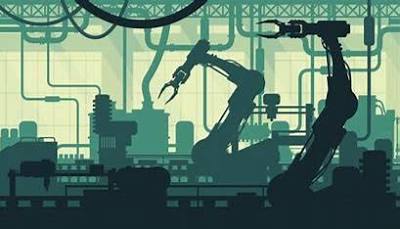
The global manufacturing industry is experiencing a massive transformation, and China is leading this change through an ambitious program called Made in China 2025. At the heart of this transformation are dark factories, fully automated manufacturing facilities that can operate without human workers and don't even need lights to function.
Dark factories in China represent more than just technological progress. They show China's strategy to move from being the world's low-cost factory to becoming a high-tech manufacturing superpower. These facilities use robotics, artificial intelligence, machine learning, and the Internet of Things (IoT) to create production systems where machines work independently, optimize their own performance, and handle complex manufacturing tasks without human help.
Understanding Made in China 2025: The Master Plan
Why China Launched Made in China 2025
In 2015, the Chinese government launched Made in China 2025 because it recognized that its traditional advantages were disappearing. For decades, China dominated global manufacturing because of cheap labor and massive production capacity. However, wages in China have been rising significantly, especially in coastal manufacturing cities. At the same time, China's population is aging, which means fewer workers available for factory jobs.
The Made in China 2025 initiative set clear goals: transform Chinese manufacturing through innovation, automation, and advanced technology. The program targets ten strategic industries including robotics, aerospace, information technology, electric vehicles, and advanced materials. The ultimate goal is to achieve 70% self-sufficiency in high-tech industries by 2025, reducing dependence on foreign technology.
Government Support for Dark Factories
The Chinese government has backed the transition to dark factories with substantial financial support. Manufacturers receive subsidies, tax breaks, and low-interest loans when they invest in automation and smart manufacturing. Provincial governments in manufacturing regions like Guangdong and Zhejiang have created special funds worth billions of dollars to help companies upgrade their facilities with advanced robotics and AI systems.
How Dark Factories Work in China
The Technology Behind Dark Factories
Dark factories in China integrate several cutting-edge technologies to operate without human workers. Industrial robots handle physical tasks like assembly, welding, and packaging. AI systems monitor production quality and identify defects faster than human inspectors. Machine learning algorithms optimize production schedules and predict when machines need maintenance. IoT sensors throughout the factory collect real-time data on every aspect of production.
Cities like Dongguan, which was once known for labor-intensive factories employing thousands of workers, now showcase dark factory examples. Production lines that previously needed hundreds of employees now run with just a handful of technicians for oversight. Robotic arms perform intricate assembly work with precision measured in microseconds, while automated systems manage inventory, quality control, and logistics simultaneously.
Real Examples of Dark Factories in China
Major Chinese companies have already implemented dark factory concepts. Electronics manufacturers, appliance makers, and automotive companies have invested billions in building new automated facilities or upgrading existing plants. Some factories can now operate 24/7 without breaks, producing goods with consistent quality that human workers cannot match.
Economic Benefits of Dark Factories for China
Increased Productivity and Efficiency
Dark factories deliver significant economic advantages for China's manufacturing sector. These facilities operate continuously without the limitations that affect human workers such as fatigue, shift changes, or labor disputes. Production runs 24 hours a day, seven days a week, dramatically increasing output per facility.
Quality control improves substantially when automated systems replace human inspection. Machines don't make mistakes due to tiredness or distraction. Production cycles become faster, allowing manufacturers to respond quickly to changing market demands and customer customization requests. These efficiency gains help Chinese manufacturers stay competitive globally even as labor costs rise.
Moving Up the Value Chain
The shift to dark factories and advanced manufacturing helps China capture more value in global supply chains. Instead of just assembling products designed elsewhere, Chinese companies are increasingly involved in design, engineering, and technological innovation. This transition generates higher profits and creates more valuable intellectual property.
As Chinese manufacturing becomes more sophisticated, it supports the growth of a wealthy middle class with more spending power. This increased domestic consumption reduces China's dependence on exports and creates a more balanced, sustainable economy.
Strategic Independence and Global Leadership
China's investment in dark factories serves strategic goals beyond economics. By mastering not just manufacturing but also the technologies that enable advanced manufacturing, China positions itself as essential in global industrial systems. This technological sovereignty becomes especially important during geopolitical tensions and supply chain disruptions.
The Major Challenge: What Happens to Workers?
Understanding the Job Displacement Problem
The biggest challenge facing China's dark factory revolution is employment. China's manufacturing sector currently employs hundreds of millions of people. Many workers migrated from rural areas to factory cities seeking economic opportunity. As automation replaces human labor, the question becomes: what happens to these workers?
This isn't just an economic issue for China, it's a social stability concern. The Chinese government knows that widespread unemployment could lead to social unrest. Managing this transition carefully is critical to the success of Made in China 2025.
How China Plans to Address Job Losses
China's strategy for managing labor displacement has several components working together to ease the transition from human to automated manufacturing.
Retraining and Education Programs
The Chinese government has emphasized vocational training and education reform. Workers are being offered programs to learn new skills relevant to an automated economy. This includes technical training in robotics maintenance, programming, and system monitoring. The goal is to shift workers from jobs that compete with machines to jobs that complement automation.
Educational institutions across China are updating their curricula to focus on science, technology, engineering, and mathematics (STEM). The next generation is being prepared for an economy where humans work alongside machines rather than performing the same repetitive tasks that machines now handle.
Growing the Service Sector
As manufacturing jobs decrease, China is pushing to expand its service sector. Industries like healthcare, education, hospitality, entertainment, and professional services are less susceptible to automation and can absorb displaced manufacturing workers. The government has implemented policies to encourage service sector growth, including reducing regulations and providing incentives for service businesses.
The hope is that as China's economy matures and its middle class grows, demand for services will increase dramatically, creating millions of new jobs in sectors where human interaction and creativity remain essential.
Strengthening Social Safety Nets
The Chinese government recognizes that some unemployment may be unavoidable during this transition. In response, China has been gradually expanding its social safety net programs. Pension systems, unemployment insurance, and other welfare mechanisms are being enhanced to support workers who lose jobs to automation.
While these programs don't match the comprehensive welfare systems in many Western countries, they represent significant progress for China and show awareness of the social challenges ahead.
Gradual Implementation Strategy
Chinese policymakers have shown pragmatism in how quickly they're pushing automation. Despite having the technology for fully automated facilities, many factories maintain hybrid models. In these facilities, automation handles repetitive and precision-intensive tasks while humans manage oversight, problem-solving, and adaptive functions that machines still struggle with.
This gradual approach gives the labor market time to adjust organically and prevents sudden employment shocks that could destabilize communities dependent on manufacturing jobs.
Global Impact of China's Dark Factory Revolution
Effects on International Manufacturing
If China succeeds with its dark factory transformation, the effects will extend far beyond Chinese borders. Other manufacturing nations may feel pressure to adopt similar automation strategies to remain competitive. This could accelerate automation adoption worldwide, intensifying competition for high-skilled workers while reducing opportunities for low-skilled manufacturing labor globally.
Developing countries that hoped to follow China's path of industrialization through low-cost manufacturing may find that path blocked. If dark factories make labor costs less relevant, the traditional development model of using cheap labor to build an industrial base may no longer work.
Technology Leadership and Export Opportunities
As China develops expertise in factory automation, robotics, and industrial AI, it gains opportunities to export this technology. Chinese companies could become global leaders in selling automation systems, robots, and smart manufacturing solutions to factories worldwide. This creates new revenue streams and strengthens China's position in the global technology industry.
Challenges and Risks Ahead
Technical Hurdles
Despite progress, dark factories still face technical limitations. Machines excel at repetitive, predictable tasks but struggle with complex problem-solving, adaptation to unexpected situations, and tasks requiring human judgment. Fully autonomous factories remain more aspirational than reality in most cases.
Social and Political Risks
The social challenges of managing massive labor displacement cannot be underestimated. If China cannot successfully retrain workers or create enough alternative employment, social tensions could rise. The Chinese government's ability to maintain stability during this transition will be tested.
Economic Concentration Concerns
Dark factories require massive capital investment, which means smaller manufacturers may get left behind. This could lead to increased economic concentration where only large corporations can afford advanced automation, potentially reducing competition and innovation in some sectors.
Conclusion: The Future of Manufacturing
The rise of dark factories in China through the Made in China 2025 initiative represents a turning point in industrial history. China's ambition to transform from the world's factory floor to its automated manufacturing leader carries profound implications for economic competitiveness, technological development, and social organization worldwide.
The economic benefits are clear: higher productivity, better quality, faster production, and greater innovation potential. However, these advantages come with serious challenges in managing job displacement and ensuring economic prosperity is widely shared rather than concentrated among technology owners.
How China balances technological advancement with social stability will determine not only the success of Made in China 2025 but also provide lessons for other nations facing similar automation challenges. The dark factory revolution is not just about technology, it's about reshaping the relationship between work, technology, and human purpose in the 21st century economy.
The world is watching China's experiment with dark factories closely. Success could establish a new model for advanced manufacturing that other nations will rush to copy. Failure or significant social disruption could serve as a warning about the pace and scale of automation adoption. Either way, the Made in China 2025 initiative and its embrace of dark factories will significantly influence the future of global manufacturing for decades to come.