Sudan’s Hidden Humanitarian Disaster: A Nation Crushed by War, Power, and Global Silence
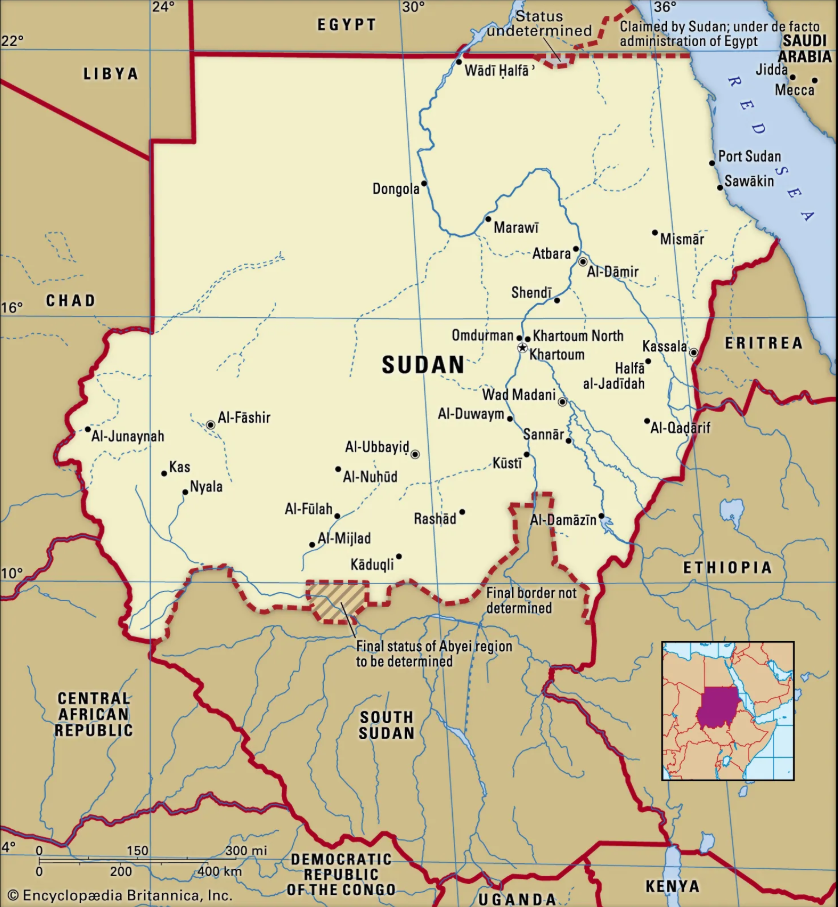
Sudan is experiencing one of the most severe humanitarian emergencies of the modern era, yet the world remains largely silent. A nation once known for its cultural richness and vast natural resources, including significant gold reserves, has collapsed into chaos under the weight of a violent power struggle. The conflict, primarily driven by two rival generals each seeking control of the state and its wealth has transformed Sudan into a battleground where civilians pay the heaviest price. Satellite images confirming mass graves, entire neighborhoods reduced to rubble, and millions fleeing for survival paint a grim picture of a country on the brink of total collapse.
At the heart of Sudan’s crisis lies the brutal confrontation between the Sudanese Armed Forces (SAF) and the Rapid Support Forces (RSF). Originally allies after the 2019 removal of longtime dictator Omar al-Bashir, the two forces turned against each other when their competing ambitions for power became undeniable. Instead of guiding Sudan toward stability and democratic transition, the generals plunged the country into a vicious war, using urban areas as battlegrounds and leaving innocent civilians trapped between airstrikes, gunfire, and merciless militia violence.
The humanitarian consequences are staggering. More than ten million Sudanese have been displaced, making this the world’s largest displacement crisis today. Families are forced to flee repeatedly as frontlines shift, while hunger spreads rapidly due to blocked supply routes and the collapse of essential services. In Darfur and other western regions, ethnic killings have re-emerged, echoing the horrors of the early 2000s. Villages have been burned, women face horrific levels of sexual violence, and children are dying from starvation and disease as aid convoys struggle to enter the country. The scale of suffering is immense, yet Sudan receives only a fraction of the international attention given to other global conflicts.
Another critical layer fueling this devastation is the involvement of foreign powers. Sudan’s gold mines, strategic location, and political influence have drawn in regional and international actors who support different sides of the conflict for their own interests. Some countries supply weapons, others provide financial backing, and some seek control over Sudan’s natural resources. This geopolitical tug-of-war ensures that the conflict continues, with little incentive for either side to compromise. As global powers focus on competing crises, Sudan’s war becomes even more entrenched and overlooked.
The silence of the international community remains one of the most troubling aspects of this tragedy. Despite clear evidence of war crimes, mass graves, and deliberate attacks on civilians, the world’s response has been minimal. Humanitarian appeals remain severely underfunded, and diplomatic efforts have failed repeatedly. For millions of Sudanese, this silence feels like abandonment—an affirmation that their suffering does not carry enough economic or political value to warrant urgent global action.
Sudan’s story is not just one of political rivalry; it is a powerful reminder of how fragile nations can be when power, greed, and global indifference collide. As the conflict continues to destroy lives and futures, the world must confront a painful truth: Sudan is bleeding, and humanity is looking away.